

Key Takeaways
- Light filtering blinds glare most when sunlight hits the fabric at a sharp angle, especially in the morning or late afternoon.
- Choose textured fabrics like cotton or linen over smooth, shiny materials like polyester or vinyl to reduce light filtering blinds glare.
- Adjusting the blind angle or adding a sheer curtain can help minimize reflection and improve screen visibility.
- Regular cleaning of your blinds can prevent dust buildup, which can increase glare and reduce light control.
- Key Takeaways
- Why Light Filtering Blinds Glare? Common Causes
- How Light Filtering Blinds Glare Affects Your Room
- Quick Fixes for Light Filtering Blinds Glare
- Use Simple Tools to Reduce Light Filtering Blinds Glare
- Long-Term Solutions for Light Filtering Blinds Glare
- Upgrade to Double-Layer Light Filtering Blinds
- Add Motorized Controls for Glare-Free Comfort
- When to Call a Professional for Light Filtering Blinds Glare
- Signs You Need Expert Help with Glare
- Frequently Asked Questions
- Why do light filtering blinds glare in the morning and late afternoon?
- What fabric type reduces light filtering blinds glare the most?
- Can I adjust my blinds to reduce glare without replacing them?
- Are there any add-ons that help with light filtering blinds glare?
Why Light Filtering Blinds Glare? Common Causes
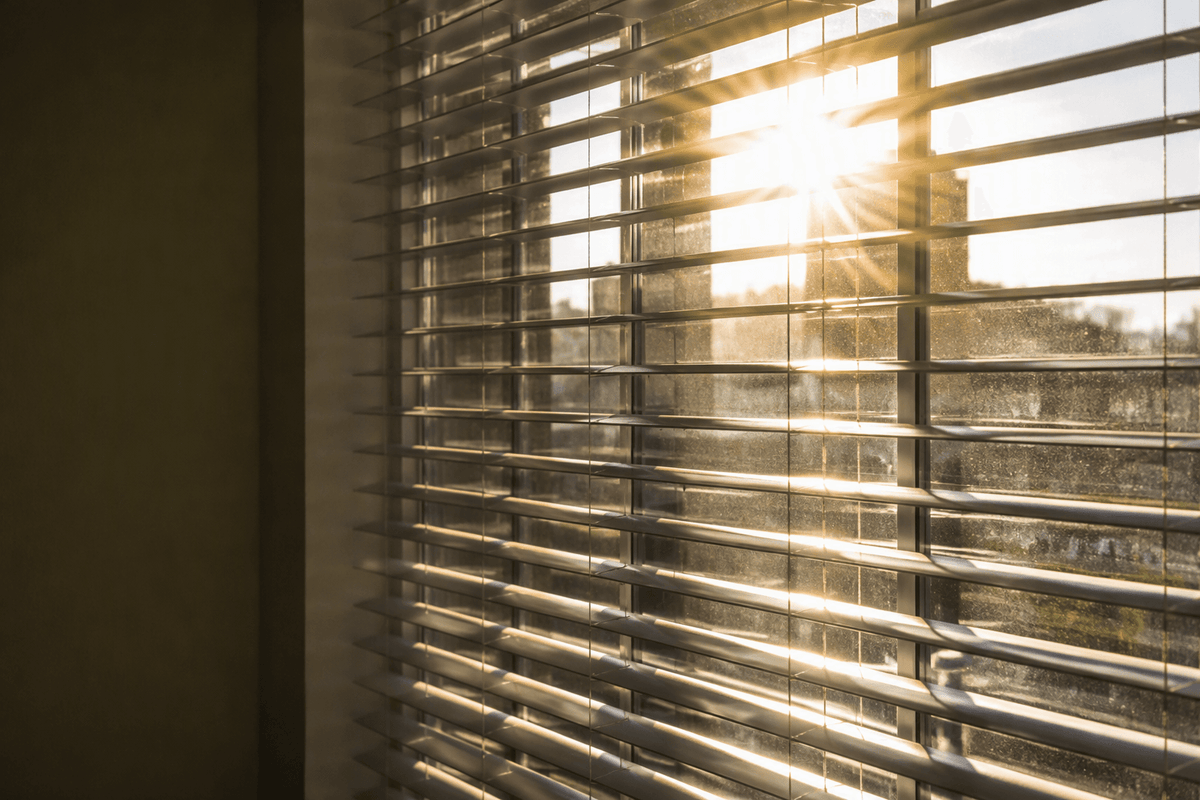
Have you ever noticed how light filtering blinds glare at certain times of the day? This common issue happens when sunlight hits the fabric at a sharp angle. The result is a bright, uncomfortable reflection that can disrupt your comfort and screen visibility.
Also, the type of fabric plays a big role. Light filtering blinds glare more when the material is smooth and shiny. For example, polyester and vinyl reflect light more than textured fabrics like cotton or linen. Thus, choosing the right material matters for reducing glare.
How Light Filtering Blinds Glare Affects Your Room
Another cause is the position of the sun. In the morning or late afternoon, the sun sits low in the sky. Then, the light comes in at a low angle, which increases reflection. Meanwhile, high midday sun usually creates less glare because it hits the blinds more directly.
Moreover, the color of the blinds also matters. Light-colored blinds bounce more light back into the room. Darker shades absorb light and reduce glare. So, if you have white or cream blinds, you may see more reflection. In fact, switching to a darker tone can help.
Furthermore, the gap between the slats or fabric layers can cause light to scatter. This scattered light creates a hazy glow, which we often call glare. As a result, even fully closed blinds may not block all brightness. In short, the design and fit of the blinds influence how much glare you see.
Finally, the orientation of the blinds matters. Horizontal blinds catch light differently than vertical ones. For example, how to enhance your home’s style with vertical blinds can also reduce glare because vertical slats control light from side windows better. On the other hand, best practices for installing light filtering blinds suggest angling slats upward to push light toward the ceiling. This simple trick can cut glare significantly.
Still, you might wonder if there is a perfect solution. The answer depends on your room’s layout and your daily routine. Therefore, we recommend testing different angles and fabrics to find what works best for you. After all, a little adjustment can make a big difference in comfort.
Quick Fixes for Light Filtering Blinds Glare
Light filtering blinds glare can be annoying. It often happens in the morning or late afternoon. Also, the sun hits the slats at a sharp angle, causing bright spots.
First, adjust the tilt of your blinds. Turn the slats slightly to redirect the light. Instead, you can angle them upward to bounce light off the ceiling.
Next, try adding a sheer curtain over the blinds. This softens the light and reduces harsh glare. Meanwhile, you can also use a light-filtering film on the glass for extra control.
Use Simple Tools to Reduce Light Filtering Blinds Glare
Another quick fix is to install a valance at the top. This blocks light that escapes above the headrail. For example, a fabric valance adds style and cuts glare.
So, check for gaps between the slats. Close them tightly to stop direct beams. Furthermore, consider best practices for installing light filtering blinds to ensure a snug fit.
In short, light filtering blinds glare has simple solutions. Adjust, cover, or seal the gaps. As a result, your room stays bright but comfortable.
Long-Term Solutions for Light Filtering Blinds Glare
Light filtering blinds glare can disrupt your comfort at home. We see it often in bright rooms where sunlight spills around the edges. Also, the soft fabric lets light through, but it can still create harsh reflections on screens and floors.
Then, the glare becomes worse during certain hours of the day. Morning sun hits low and sneaks past the sides. Meanwhile, afternoon rays bounce off nearby surfaces. As a result, you might squint or adjust your position constantly.
Upgrade to Double-Layer Light Filtering Blinds
One long-term fix is to choose double-layer light filtering blinds glare control. These have two fabric layers that work together. First, the outer layer softens the sunlight. Next, the inner layer diffuses the remaining brightness. In short, this setup cuts glare without making the room too dark.
For example, our best practices for installing light filtering blinds show how proper mounting helps. You can also add side channels to block edge light. Furthermore, these channels keep the blinds snug against the window frame. Hence, less light escapes around the sides.
Add Motorized Controls for Glare-Free Comfort
Another smart solution is to pair your blinds with motorized controls. You can adjust the tilt or height from your phone or remote. So, you can change the angle as the sun moves. Besides, you can set timers to lower the blinds during peak glare hours.
Moreover, motorized systems work well with light filtering blinds glare reduction. They let you fine-tune the light throughout the day. For more ideas, check our guide to motorized blinds for busy families. In fact, this approach saves you from constant manual adjustments.
Still, regular maintenance keeps your blinds working smoothly. Clean the slats often to avoid dust buildup. That way, the fabric stays clear and the light stays even. Above all, a well-chosen system gives you lasting relief from glare.
When to Call a Professional for Light Filtering Blinds Glare
Sometimes, light filtering blinds glare becomes too much to handle on your own. So, you may need to call a professional for help. This is true when the glare still bothers you after adjusting the blinds.
First, check if the blinds are installed correctly. If they sit unevenly or leave gaps, they cannot block glare well. Then, a professional can fix the mounting or alignment issues.
Also, consider the type of blinds you have. Some fabrics are too sheer for your room’s light levels. In that case, an expert can recommend better light filtering blinds glare solutions, like a different fabric or a layered setup.
Signs You Need Expert Help with Glare
Moreover, you might notice glare on your TV or computer screen at certain times of day. This means your current blinds are not doing their job. Instead, a pro can suggest motorized options that adjust automatically.
For example, if you have large windows or skylights, DIY fixes often fail. Because of that, professional installation ensures the blinds fit perfectly. In short, experts know how to reduce light filtering blinds glare in tricky spots.
Furthermore, if you see fading on your furniture or floors, that is a warning sign. So, call a professional before the sun causes more damage. They can also help you choose energy-efficient styles, like those in our guide to blackout blinds.
Finally, trust your gut. If you have tried everything and glare still bothers you, it is time to act. After all, a professional can save you time and money in the long run. Besides, you will enjoy a more comfortable space.
Frequently Asked Questions
Why do light filtering blinds glare in the morning and late afternoon?
So the sun sits lower in the sky during these times. This low angle increases reflection off the fabric. In fact, light filtering blinds glare more when sunlight hits them at a sharp angle.
What fabric type reduces light filtering blinds glare the most?
Choose textured fabrics like cotton or linen over smooth ones. For example, polyester and vinyl reflect more light. So textured materials help minimize light filtering blinds glare effectively.
Can I adjust my blinds to reduce glare without replacing them?
Yes, tilt the slats to a steeper angle to block direct sunlight. Also, close them partially during peak sun hours. However, this may reduce natural light, so test different positions.
Are there any add-ons that help with light filtering blinds glare?
Consider using a sheer curtain or a light-filtering film on the window. Also, install a valance to block top light. These add-ons work well with light filtering blinds glare reduction.